
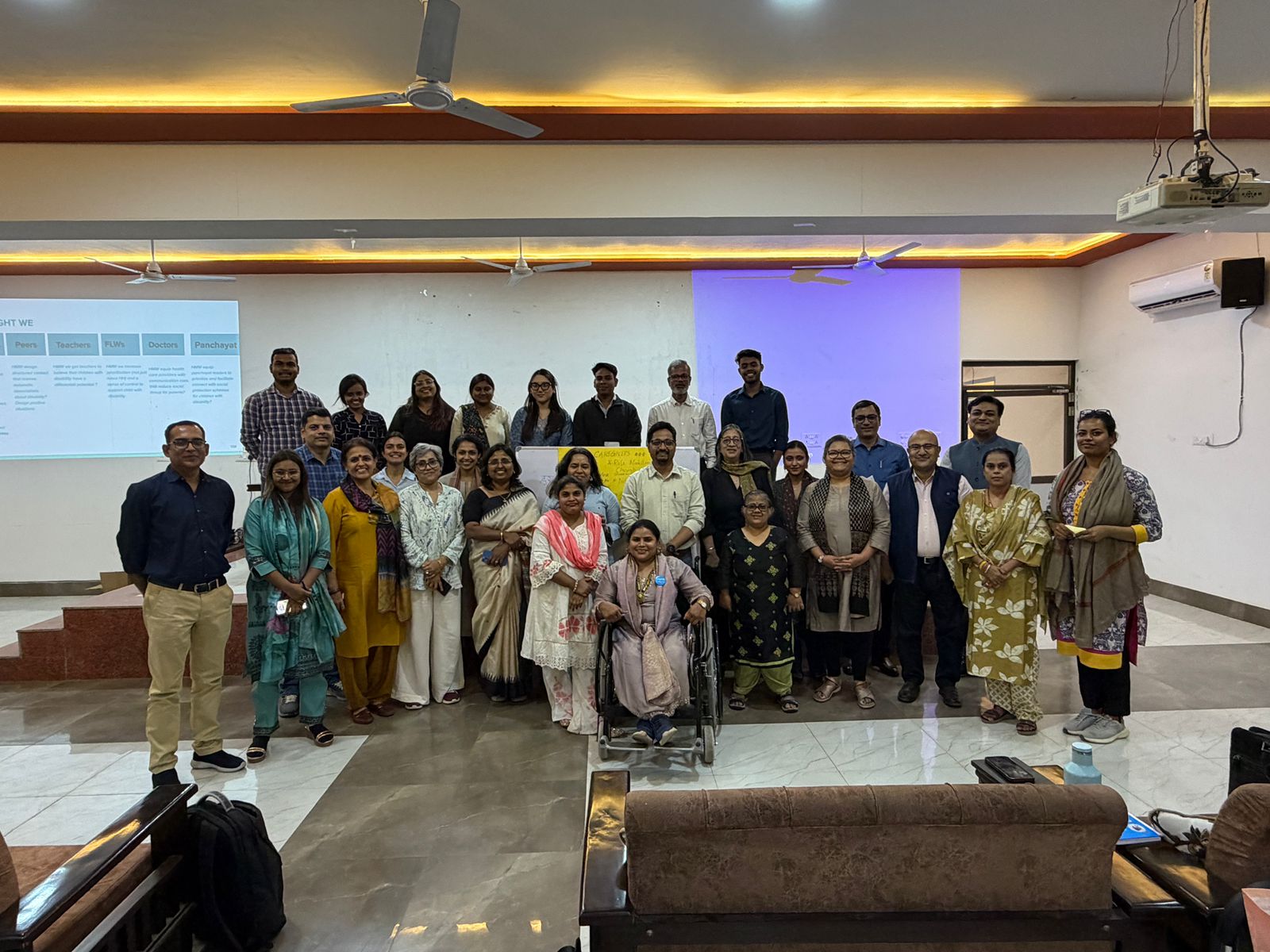
Bilaspur, Chhattisgarh – February 19, 2026 – UNICEF India kicked off a dynamic Human-Centered Design (HCD) workshop on disability inclusion here today, bringing together caregivers, educators, health workers, government officials, state CSOs, UNICEF technical experts including staff from field offices in West Bengal, Uttar Pradesh, Gujarat, Chhattisgarh, and Rajasthan, along with academic and behavioral science partners. Participants are actively mapping patient journeys, unpacking societal stigma, and co-creating innovative solutions like hospital helplines, peer support networks, cluster-level centers with age-appropriate therapy games for children with disabilities (CWD), disability assistance kiosks, and AI chatbots.
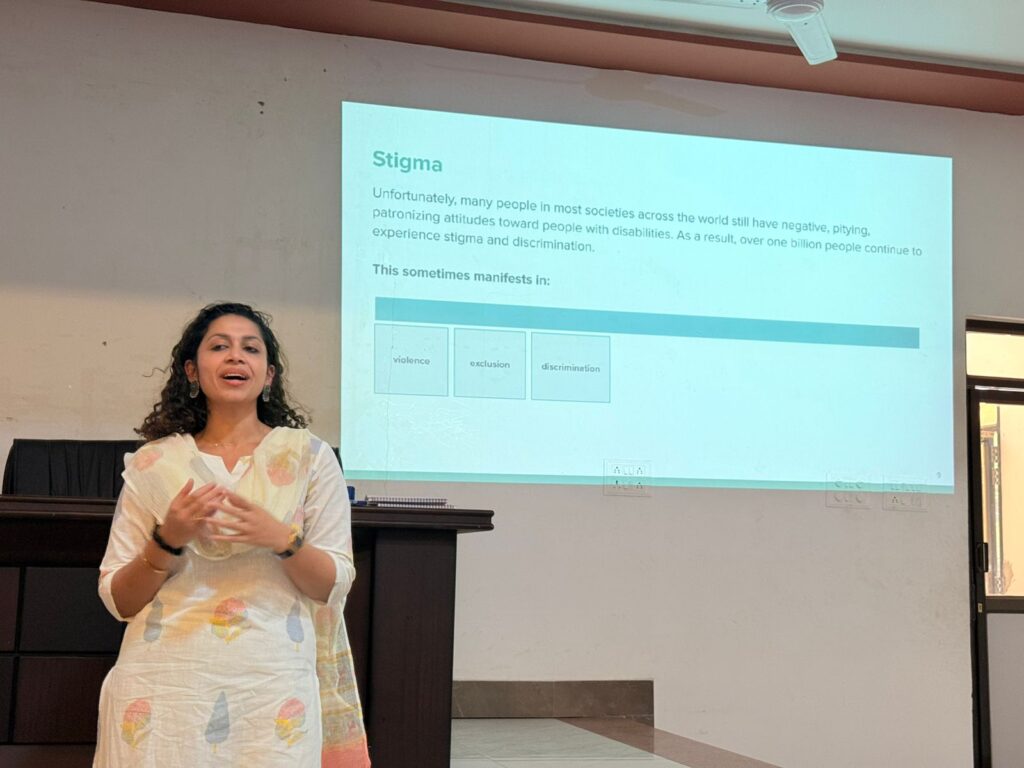
Field Visit Enhances Real-World Insights
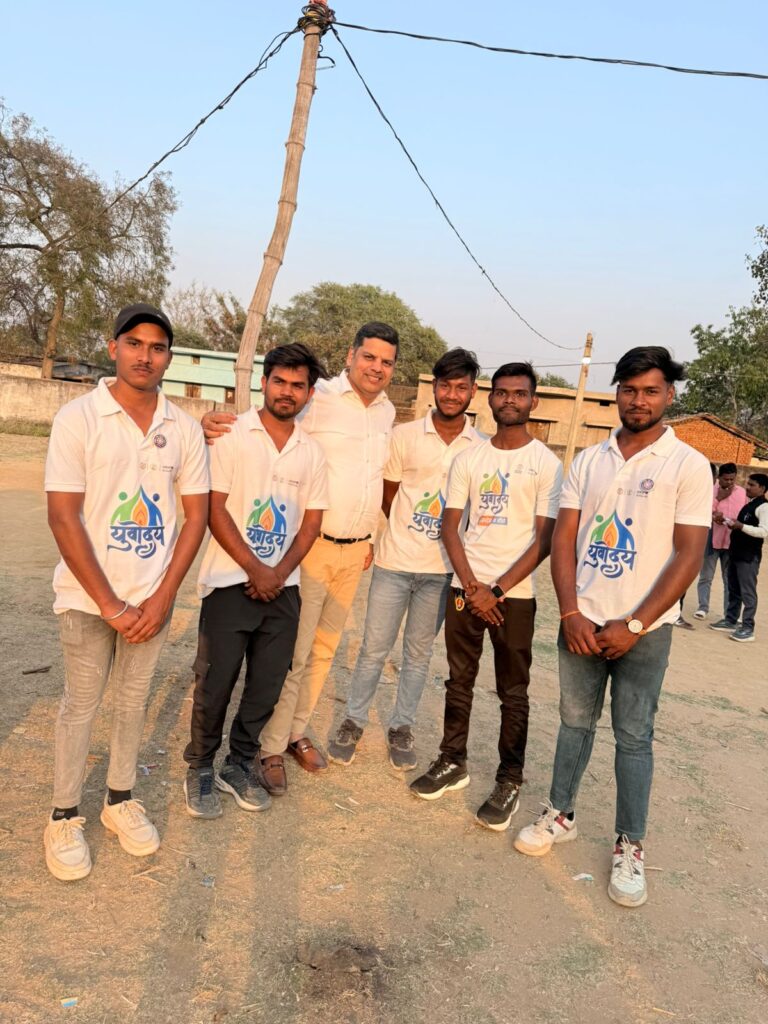
The team also visited the field in Akaltara block of Janjgir district to better understand lived experiences. They identified key personas critical for influencing stigma and discrimination around disability inclusion, including caregivers of children with disability, children with disability themselves, their classmates/peers, frontline workers (AWW and ASHA), school teachers and special educators, Based on these personas, a discussion guide was developed for participants to use during the field visit, ensuring meaningful interactions with stakeholders.
Workshop Highlights Engagement and Innovation
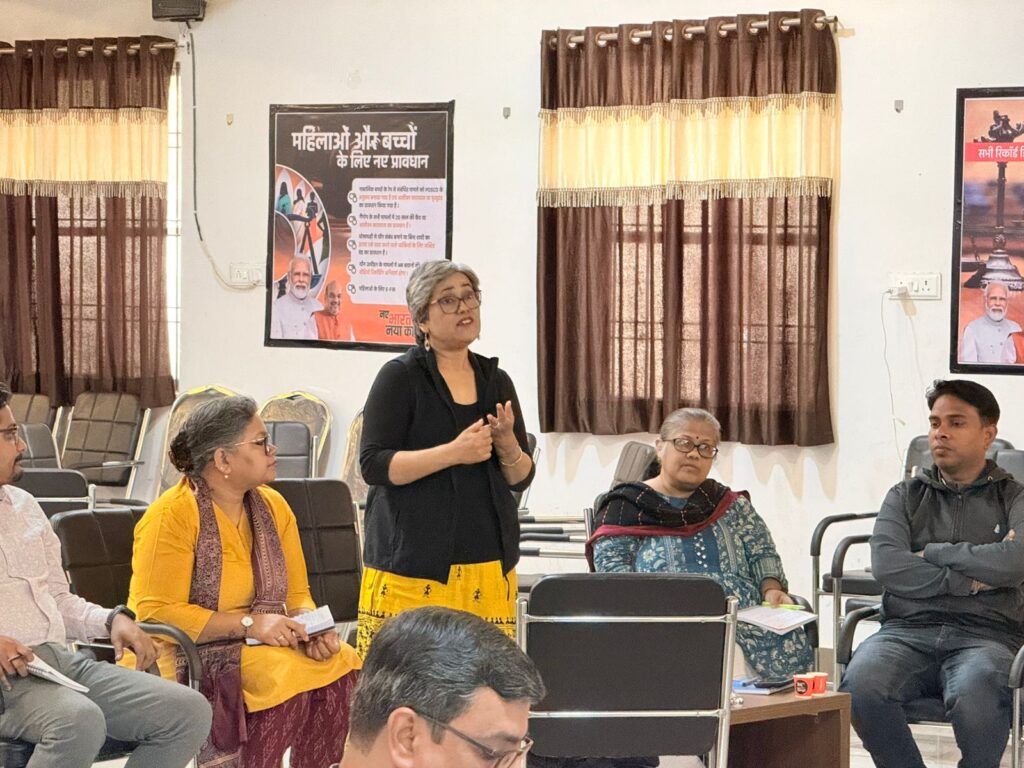
Attendees brainstormed “How Might We” challenges, focusing on empowering peers, teachers, Frontline Workers (FLWs), doctors, and panchayat leaders to build supportive systems for children with disabilities and their families. Early journey maps reveal key pain points in health access, education, and community integration, paving the way for stigma-free environments.
Alka Malhotra, SBC Specialist from UNICEF Delhi, highlighted the collaborative spirit: “Participants shared their ideas on how we can improve the situation of children who apart from facing disability stigma, encounter systemic barriers in health, education, and community support—through behavioral insights and HCD, we’re turning these challenges into scalable solutions.” This HCD approach fundamentally shifts how we design for inclusion, turning lived experiences into actionable change. The three-day event (February 18-20) follows the agenda for behavioral approaches to reducing disability-related stigma, emphasizing co-creation of contextually grounded solutions.
About UNICEF India
UNICEF works in over 190 countries to promote the rights and well-being of every child. In India, it supports innovative programs for health, education, and inclusion, partnering with governments and communities to reach the most vulnerable.



Leave a Reply