
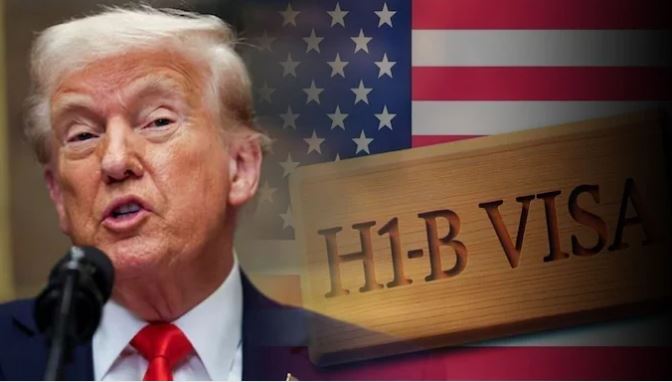
- California leads a coalition of states challenging a $100,000 surcharge on new H-1B visas, questioning presidential authority and warning of serious impacts on skilled workers and essential services.
California and 19 other US states have filed a lawsuit seeking to block former President Donald Trump’s decision to impose a $100,000 fee on new H-1B visas, intensifying a legal battle over immigration policy and executive power. The states argue that the unprecedented surcharge would dramatically increase the cost of hiring highly skilled foreign professionals and disrupt sectors that depend heavily on such workers, including technology, healthcare and higher education.
The lawsuit challenges a fee announced in September that far exceeds existing H-1B visa charges, which typically range from $2,000 to $5,000. Critics say the move threatens to undermine a long-standing visa programme that US employers rely on to fill specialised roles amid domestic labour shortages.
California Attorney General Rob Bonta, who is leading the case along with Massachusetts Attorney General Andrea Joy Campbell, contends that the Trump administration lacks the legal authority to impose such a fee. According to Bonta’s office, federal law allows immigration agencies to collect only those fees necessary to cover administrative costs, not to raise revenue. “No president can ignore the Constitution or override Congress,” Bonta said, asserting that immigration law cannot be rewritten through executive action.
States joining the lawsuit include New York, New Jersey, Illinois, Massachusetts and Washington, all represented by Democratic attorneys general. They warn that the fee would discourage global talent, harm state economies and worsen staffing shortages in critical services.
The White House has defended the policy as lawful and necessary to curb alleged abuse of the H-1B system. Conservative critics argue the programme enables companies to replace American workers with lower-paid foreign labour. However, business groups and major employers counter that H-1B visas are vital for addressing gaps in the US workforce.
Legal challenges to the fee are mounting. The US Chamber of Commerce and a broad coalition of unions, employers and religious organisations have filed separate lawsuits, with courts set to hear arguments in the coming weeks.











Leave a Reply