
New Delhi:
India’s space sector is set for a major boost as ISRO prepares to launch seven major missions by March 2026, including the first unmanned flight of the Gaganyaan human spaceflight program. The information was shared in a recent parliamentary reply detailing India’s upcoming space campaigns, technological advancements and growing global participation through NewSpace India Limited (NSIL).
Key Missions Scheduled Till March 2026
According to the details, ISRO and NSIL have lined up the following landmark missions:
- LVM3 M6 / NSIL: Dedicated commercial launch of AST SpaceMobile’s BlueBird Block-2 satellite.
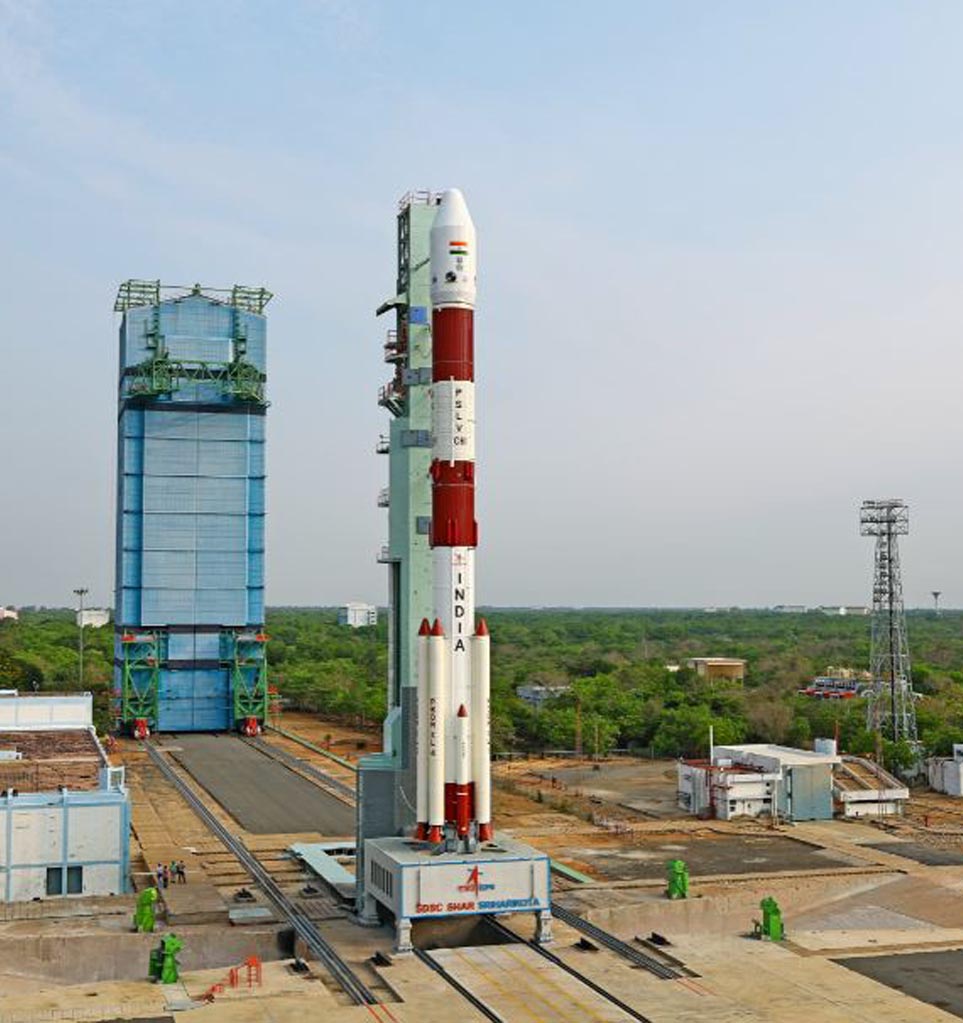
- PSLV C62 / EOS N1: Earth observation satellite launch with 18 co-passenger satellites.
- HLVM3 G1 / OM-1: First unmanned Gaganyaan mission to validate the human-rated launch vehicle, orbital module operations, and crew module re-entry and recovery.
- GSLV F17 / EOS-05: Launch of an Earth observation satellite for strategic applications.
- PSLV C63 / TDS-01: Technology demonstration satellite testing high-thrust electric propulsion, indigenous Traveling Wave Tube Amplifier (TWTA) and Quantum Key Distribution.
- PSLV N1 / EOS-10: First industry-built PSLV, carrying an oceanography satellite along with India-Mauritius Joint Satellite (IMJS) and LEAP-2.
- SSLV L1 / NSIL: Dedicated commercial launch by NSIL.
NSIL Strengthens India’s Commercial Space Presence
Post space-sector reforms, NSIL has significantly expanded its role across the space value chain. It has already deployed two commercial communication satellites for India’s DTH and broadband needs and plans to launch three more satellites in the next 3–4 years.
To strengthen India’s commercial launch services, NSIL has marketed PSLV, SSLV and LVM3 to global customers, successfully launching 137 foreign satellites so far.
The first industry-built PSLV-XL, manufactured by HAL and L&T under NSIL, will be launched by early 2026.
Major Technological Gains
The upcoming missions will validate several cutting-edge technologies:
- High-propulsion electric propulsion systems
- Indigenous TWTA amplifiers for satellite transponders
- New platform technologies through the TDS-01 satellite
- Quantum communication advancements
- Critical validation of systems required for the manned Gaganyaan mission
The NVS-03 satellite under the NavIC constellation will further enhance India’s PNT (Position, Navigation and Timing) services, benefiting vehicle tracking, railway monitoring, marine communication and fisheries.
EOS-10 (Oceansat-3A): A Leap in Marine & Weather Data
Among the major Earth observation missions, EOS-10 will support meteorology, oceanography and land applications with advanced instruments including:
- Ocean Colour Monitor
- Scatterometer
- Sea Surface Temperature Monitor
- Millimetre Wave Temperature & Humidity Sounder
Data from these instruments will support fisheries, cyclone tracking, coastal management and climate forecasting.
Boost to STEM Education and National Prestige
The report emphasizes that India’s space missions—including Chandrayaan and Aditya-L1—are engines of national progress, inspiring millions and strengthening India’s global scientific standing. These missions significantly boost STEM learning and accelerate the development of specialized hardware and advanced software capacities in India.











Leave a Reply